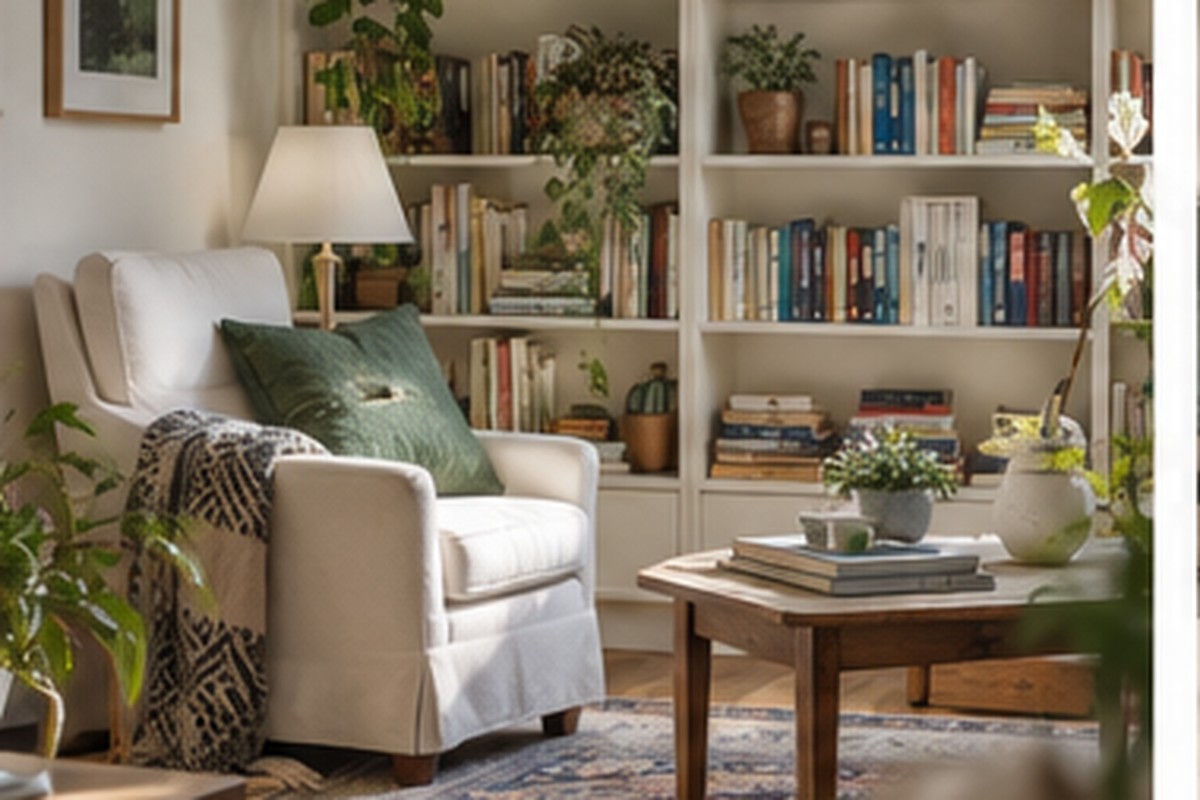
Comfortable home library with books, plants, an armchair, and soft daylight.

Values

Clear, useful, well-observed writing shaped by curiosity, accuracy, and respect for everyday experience.

How We Approach the Work

Field & Window focuses on ordinary subjects that become more interesting when they are observed carefully. We aim for accurate details, useful context, and writing that feels calm rather than inflated. Whether the subject is a room, a recipe, a walk, or a building, the goal is to give readers something concrete to notice, try, or carry into their own routines.
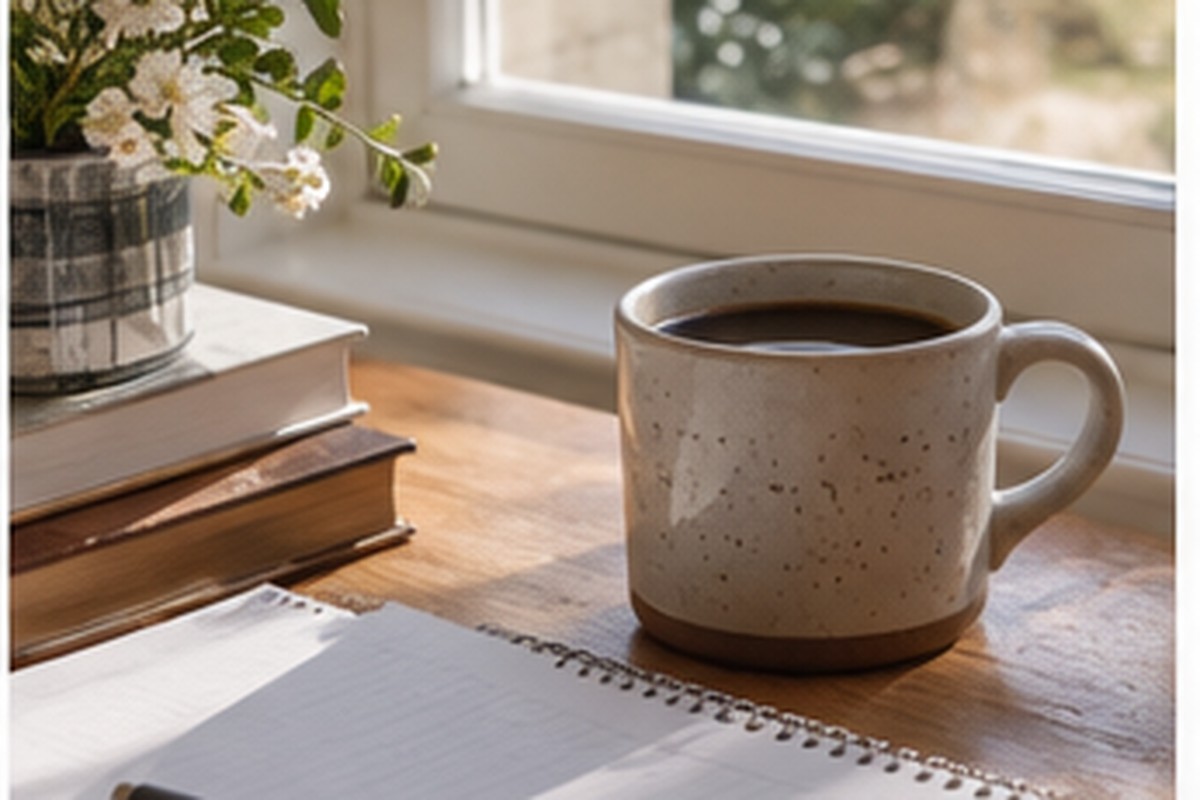
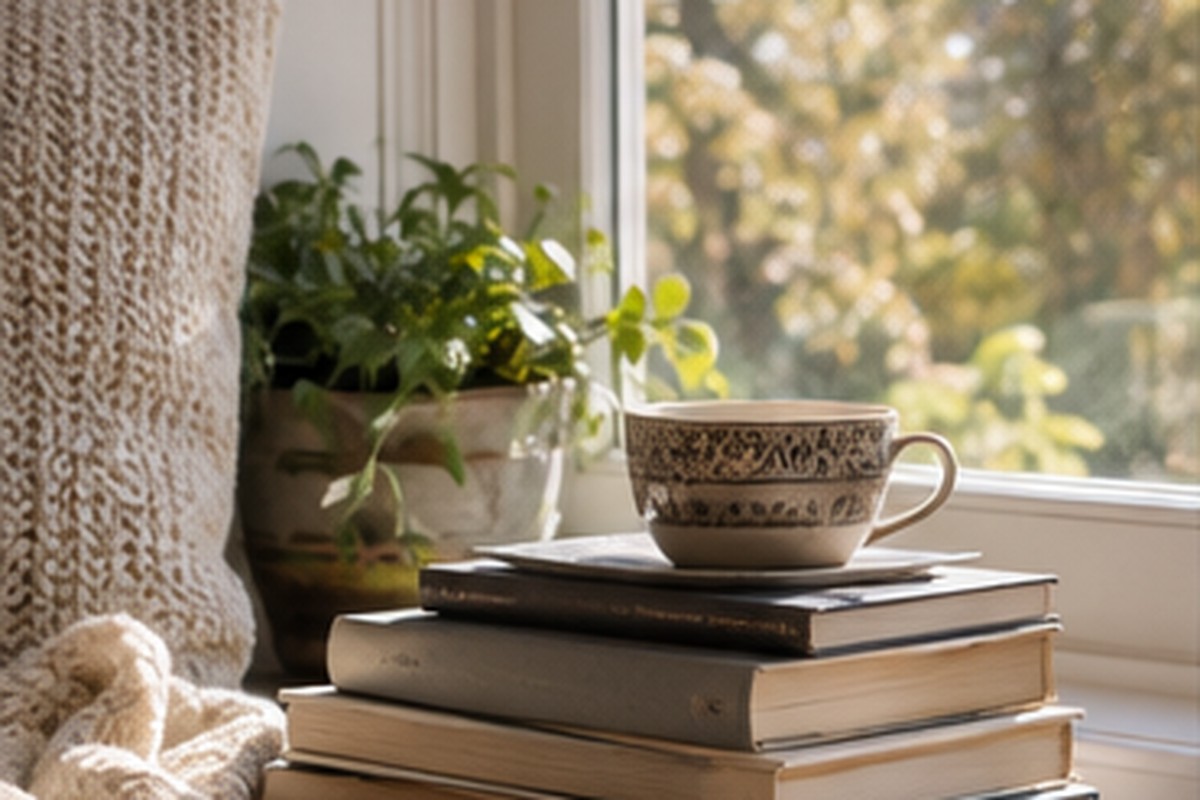
A sunlit writing desk with coffee, notebooks, and flowers.

Clear Details, Checked Carefully

Useful writing starts with getting the small things right. We prefer specific, understandable details over sweeping claims, and we keep advice proportionate to the subject. When a point depends on location, season, materials, or personal preference, we say so rather than pretending one answer fits everyone.

Books, paths, kitchens, rooms, and architecture all offer useful details when given a little attention. Our visual choices follow the same principle as the writing: they should relate directly to the subject and help establish a sense of place.

A comfortable reading corner with books and soft daylight.
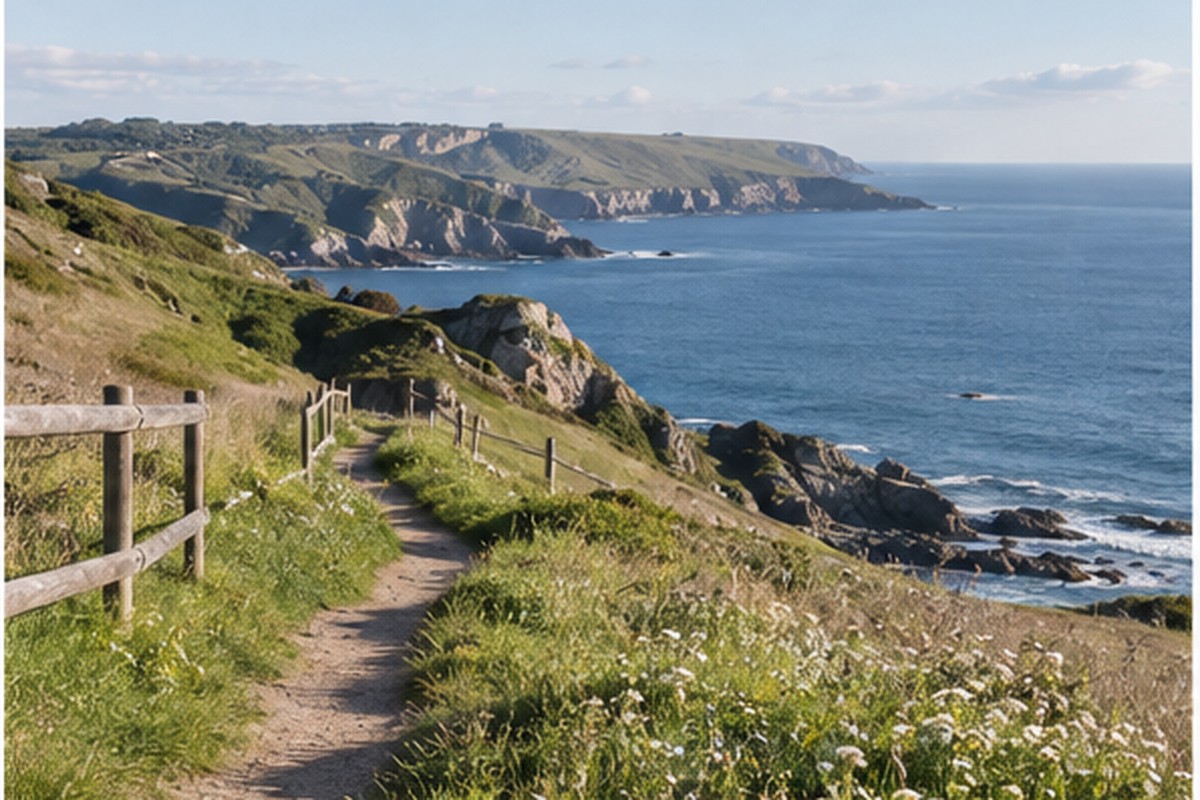
A green path following the coastline above the sea.
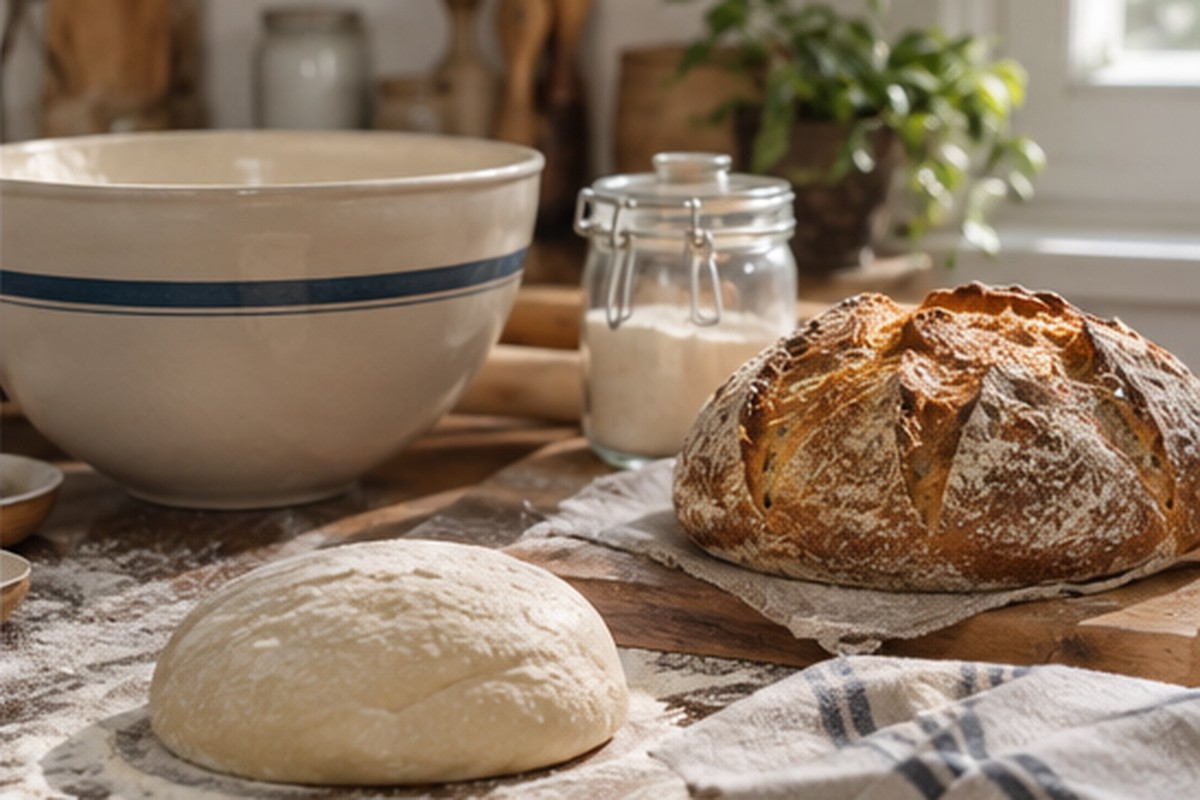
Fresh bread and dough prepared on a home kitchen worktop.
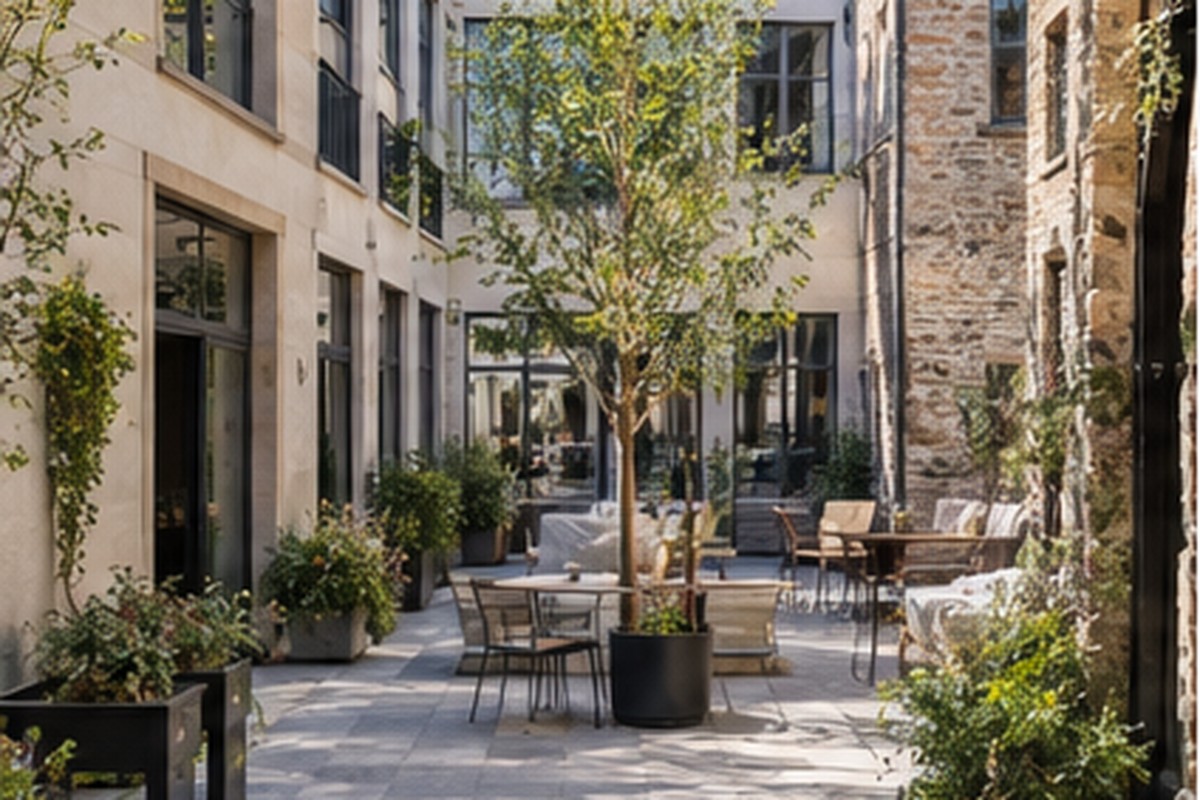
A pedestrian courtyard framed by varied architecture and greenery.
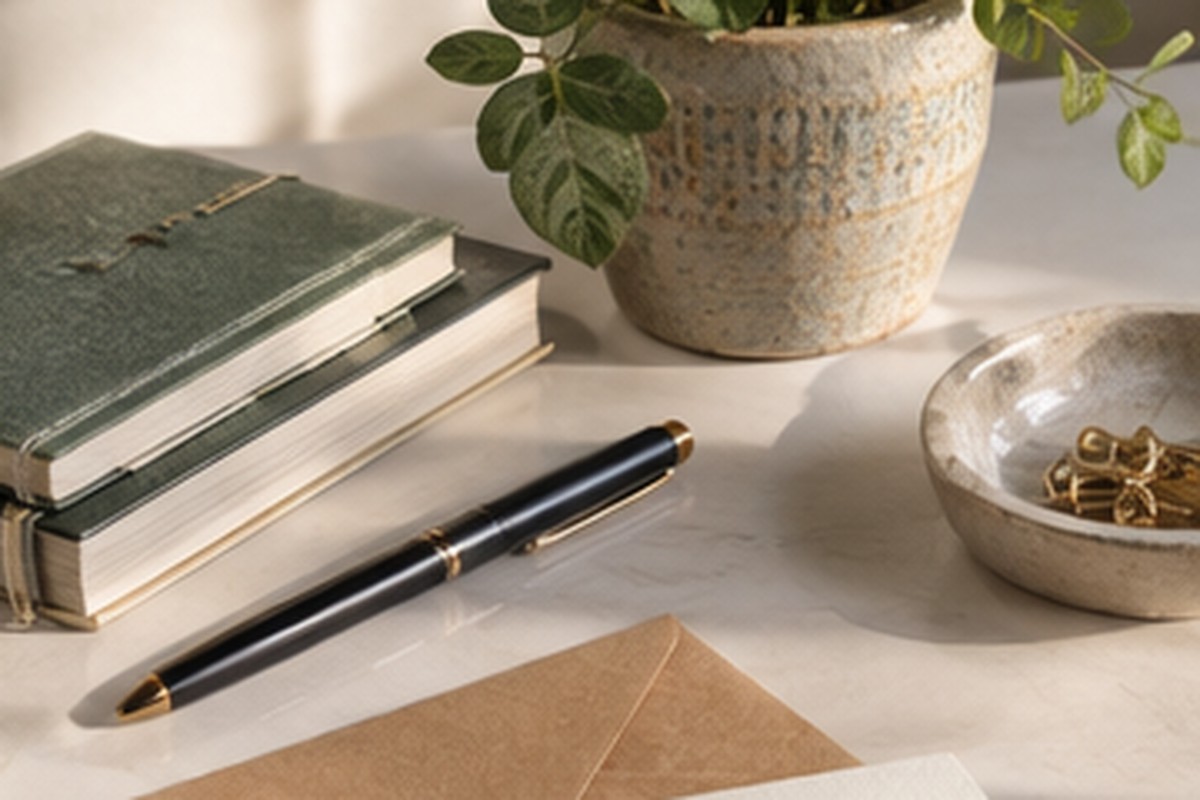
Minimal stationery with books, a pen, envelopes, and a leafy plant.

Useful Without Being Prescriptive

We like practical ideas, but we do not treat everyday life as a problem that needs constant optimisation. A reading corner, a loaf of bread, or a walking route can be useful and enjoyable without becoming a system. Our articles offer starting points and observations that readers can adapt, ignore, or combine as they see fit.

Curiosity With Context

Travel, design, food, and everyday habits are shaped by place and context. We try to describe what we see without turning differences into spectacle. The most interesting details are often ordinary ones: how a street is used, how a room catches light, how a local material ages, or how a familiar routine changes from one place to another.